
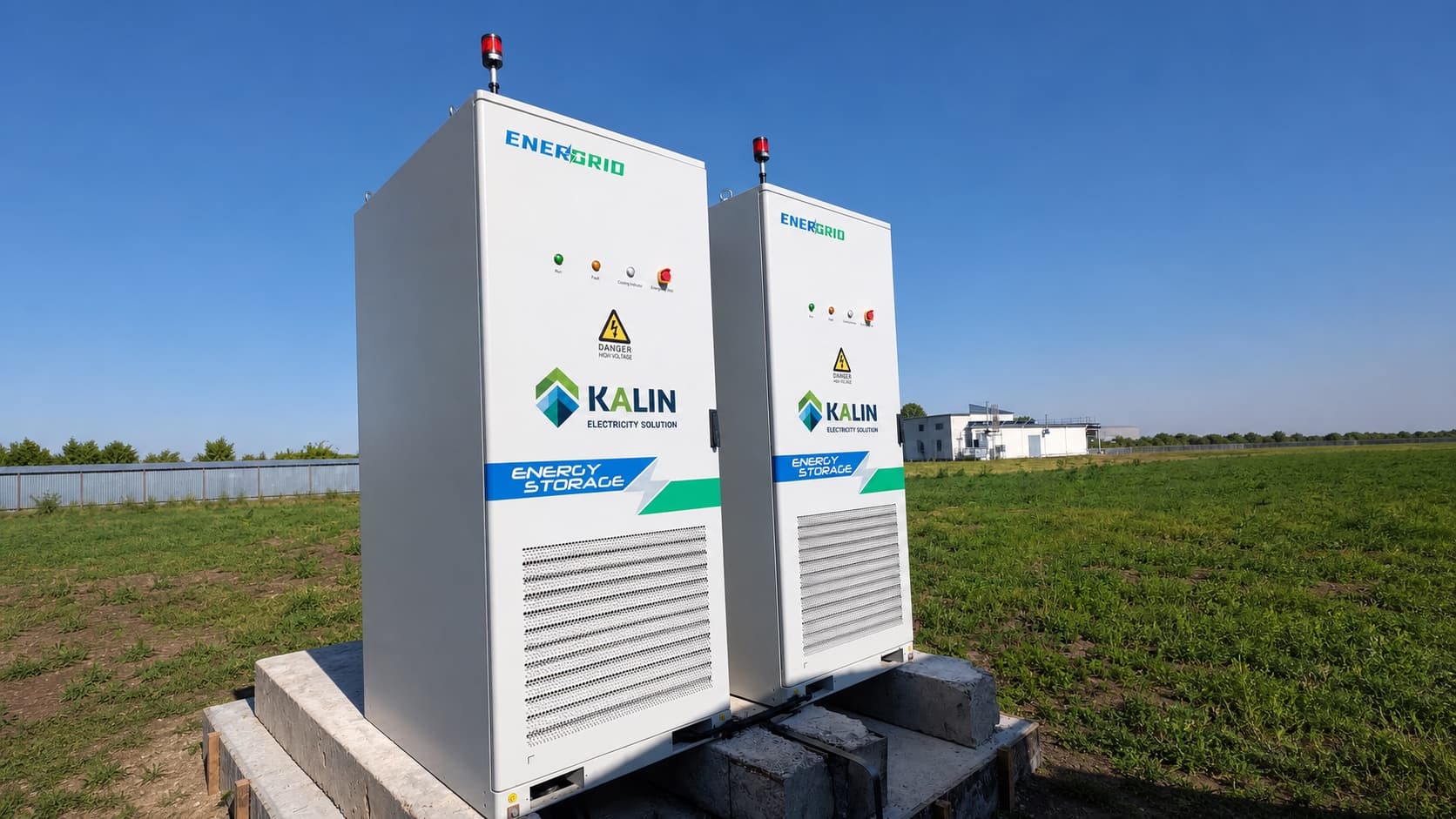
A BESS —Battery Energy Storage System— can shift consumption, capture photovoltaic surplus, reduce demand peaks or keep critical loads running during an outage. Each objective, however, requires a different combination of power, usable energy, control strategy and protection.
Sizing should therefore start with measured data and operating scenarios. The result is not simply “an X kWh battery”, but a complete solution comprising batteries, power conversion, control, protection, thermal management, communications and electrical integration.
1. Define the problem the BESS must solve
Before calculating capacity, the objectives should be placed in order of priority:
- Peak shaving: limit the power demanded during specific periods.
- Higher solar self-consumption: store surplus energy for use when photovoltaic production falls.
- Backup: maintain selected loads during outages or grid instability.
- Time-based management: charge and discharge according to operations and supply conditions.
- Process continuity: avoid interruptions to equipment where a shutdown causes loss or risk.
One system can combine several uses, but reserves and priorities must be defined. Energy reserved for backup, for example, will not always be available for peak shaving.
2. Collect real consumption and site data
A monthly bill helps explain costs, but it does not fully show how a site behaves. For an initial study, we request 15-minute load curves and at least twelve months of history whenever those data are available.
Minimum data for a useful study
- Consumption curves and maximum demand.
- Operating hours, shifts and seasonality.
- Contracted power and supply-point characteristics.
- Measured or simulated photovoltaic production, where solar is installed.
- Single-line diagram, transformer, switchboards and available protection.
- List of critical loads and required autonomy.
- Space, access, temperature, ventilation and fire-safety constraints.
Spain’s IDAE notes that storage can align self-consumption generation with demand and increase flexibility. That benefit can only be quantified correctly by comparing production and load curves, rather than monthly totals alone.
3. Distinguish between power and capacity
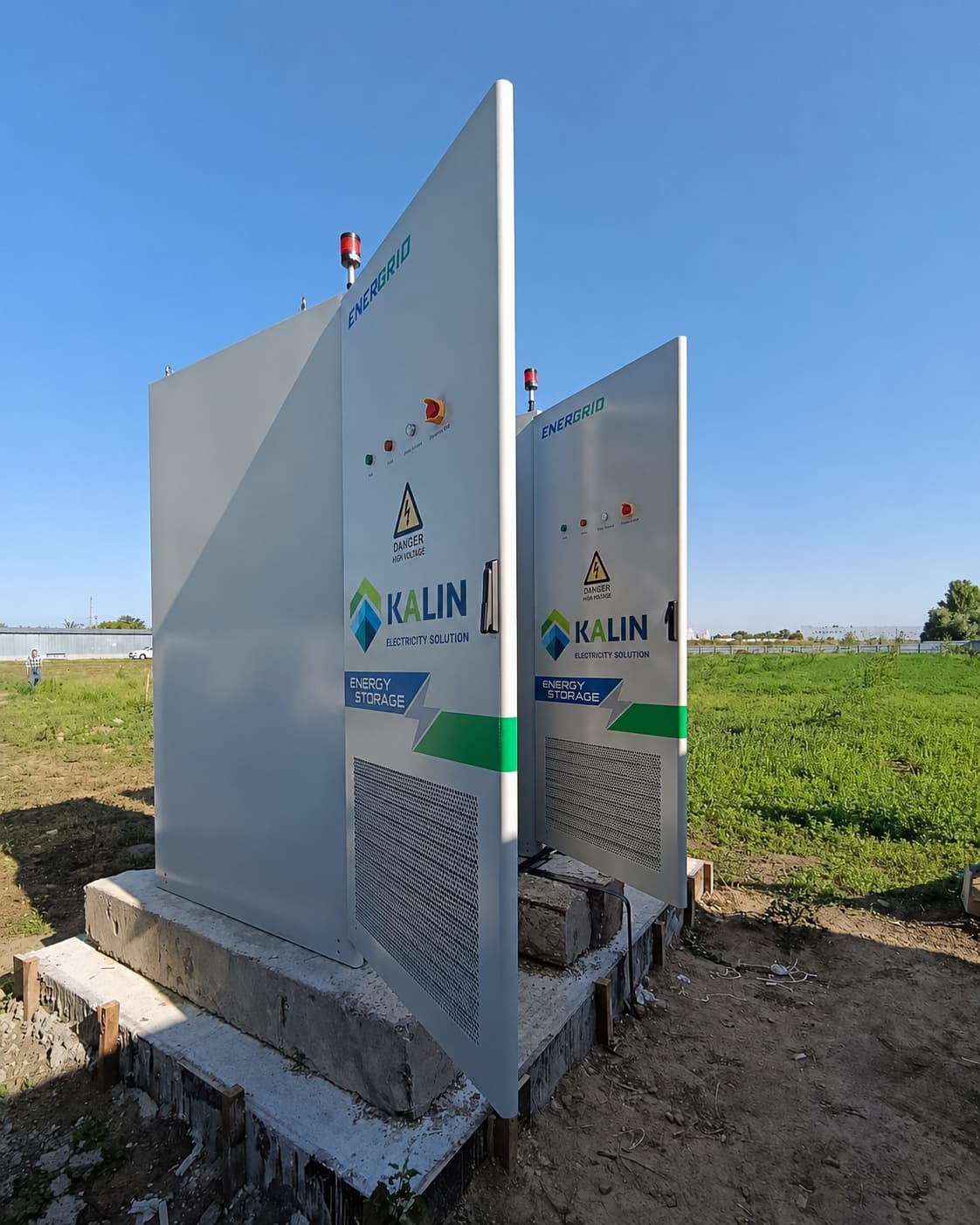
Power, expressed in kW, indicates how much energy the system can deliver or absorb at a given moment. Capacity, expressed in kWh, indicates how much energy it can store. The variables are related, but they are not interchangeable.
Defined by the peak to be limited, simultaneous demand from critical loads and available connection capacity.
Depends on the power to be sustained, operating time, depth of discharge, efficiency and required reserve.
As a conceptual approximation, the required energy is the load to be covered multiplied by the coverage time. Margins must then be applied for efficiency, operating limits, degradation and reserve. This preliminary calculation does not replace interval modelling or an electrical review.
Three scenarios that lead to different system sizes
| Objective | Dominant input | Oversizing risk |
|---|---|---|
| Peak shaving | Magnitude and duration of peaks | Capacity without sufficient cycling |
| Solar utilisation | Coincident PV surplus | A battery larger than the available surplus |
| Backup | Critical loads and autonomy | Supporting non-essential loads |
4. Review electrical integration, control and safety
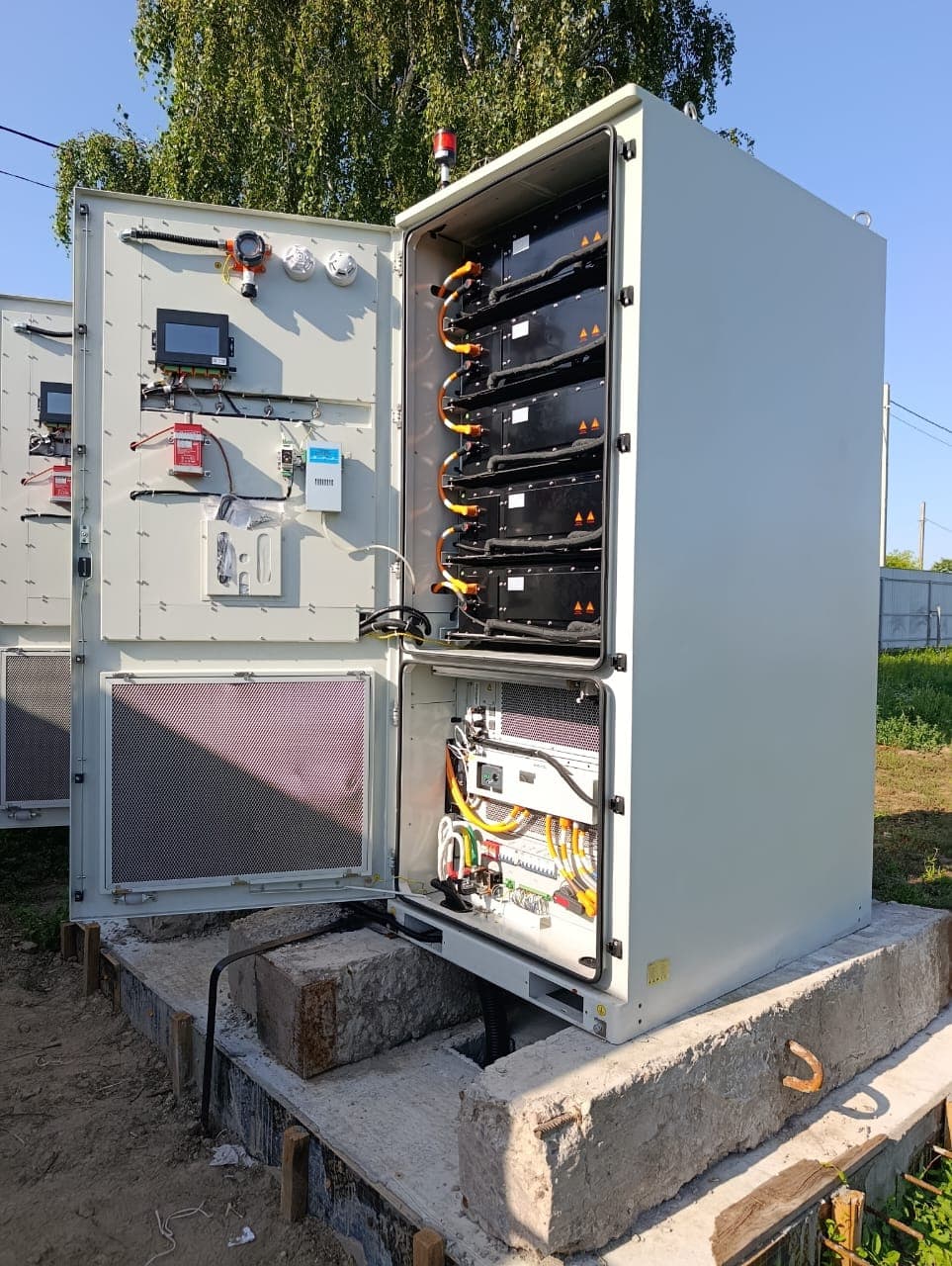
Energy sizing must be validated against the existing installation. PCS or inverter power, the transformer, protection, available current, selectivity and connection scheme can limit a solution that initially appeared suitable.
The EMS strategy must also be defined: when to charge, which signal limits discharge, how much reserve to maintain and how it interacts with solar production. For backup applications, critical loads must be separated and transfer and start-up times checked.
Projects linked to self-consumption must also review the installation model, metering, protection and applicable administrative process. Spain’s Royal Decree 244/2019 sets administrative, technical and economic conditions for self-consumption; the specific configuration must be checked for each project and autonomous community.
5. Common mistakes when selecting a BESS
- Sizing from monthly bills alone, without load curves.
- Comparing equipment only by kWh, without reviewing power, cycles, efficiency and environmental conditions.
- Using all capacity for savings while also promising it as a backup reserve.
- Not checking how much solar generation is actually available to charge the battery.
- Ignoring space, access, noise, ventilation, fire safety or maintenance.
- Calculating return from one scenario without considering degradation or operating strategy.
When is a technical study worthwhile?
An analysis is particularly useful where there are recurring peaks, unused photovoltaic production, processes sensitive to outages, high consumption outside solar hours or expansion plans that could affect electrical infrastructure.
KES Energy starts by reviewing consumption data, objectives and site constraints. We then compare power and capacity scenarios, define the technical scope and prepare a proposal suited to the intended use. We do not recommend a fixed capacity before completing that review.
Official sources
Energy study
Want to know which BESS your business needs?
Send us your load profile and project objectives. We will review the case before recommending power or capacity.
Request an energy study